Bone Grafting 

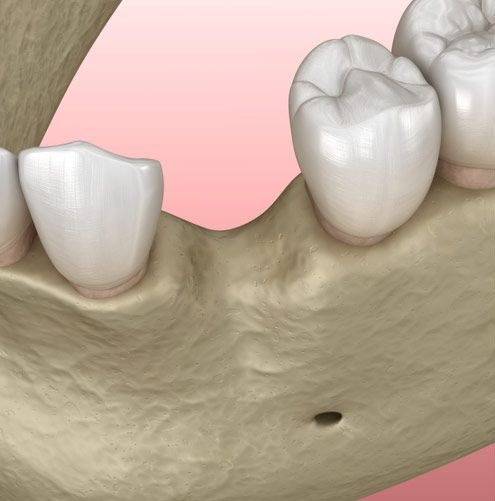
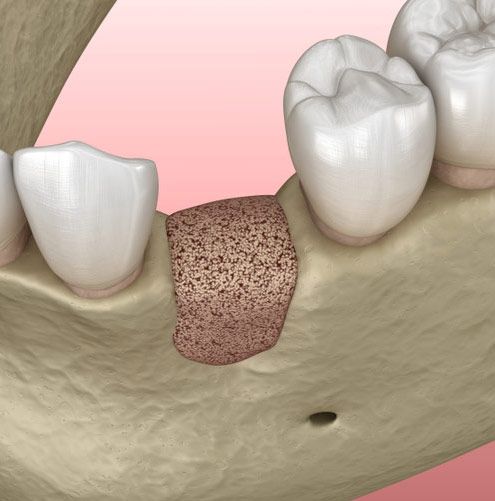
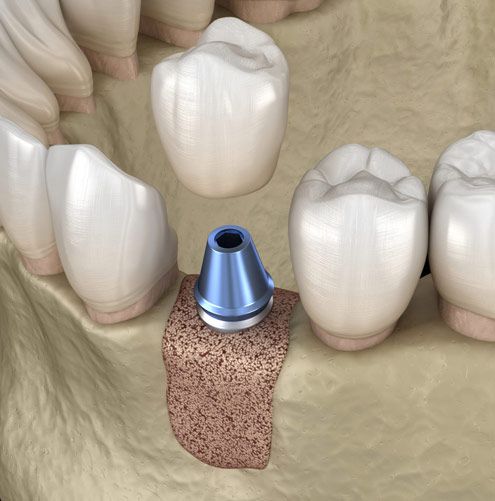
Bone grafting, also known as ridge and sinus augmentation, is a procedure used to build up the bone beneath the surface of the gums. The bones in the upper and lower arch of the mouth are responsible for supporting the teeth. When one or more teeth fall out, bone resorption occurs naturally. When patients decide to replace missing teeth with dental implants, insufficient bone mass can prevent them from qualifying for the procedure. Bone grafting addresses inadequate bone mass by filling in eroded areas with bone harvested from the patient’s own body, or that of a cadaver or animal. The new bone helps promote new bone growth that will eventually support a dental implant.

Bone Grafts Provide Sufficient Bone Support for a Dental Implant

Bone grafts
Bone grafts
Bone Grafts

Ridge Augmentation 

A common use of bone grafting is for ridge augmentation. Ridge augmentation can recapture the natural contour of your gums and jaw after the loss of a tooth as a result of trauma, congenital anomalies, infection, or periodontal disease. Achieving an ideal amount of gum and bone as a support to surrounding restorations or implants may require hard and soft tissue reconstruction. After the loss of one or more teeth, your gums and jawbone may become indented where the tooth or teeth used to be. This occurs because the jawbone recedes when it no longer is holding a tooth in place. Not only is this indentation unnatural looking, it also causes the replacement tooth to look too long compared to the adjacent teeth, and this can create an area that is difficult to keep clean.

Ridge augmentation uses bone and tissue-grafting procedures to fill in the indented area of the jaw and gums, leaving you with a smooth gum line that coexists with your restoration or dental implant.

Sinus Lift Procedure

 The maxillary sinuses are behind your cheeks and on top of the upper teeth. Some of the roots of the natural upper teeth extend up into the maxillary sinuses. When these upper teeth are removed, there is often just a thin wall of bone separating the maxillary sinus and the mouth. Dental implants need bone to hold them in place. When the sinus wall is very thin, it is impossible to place dental implants in this bone.
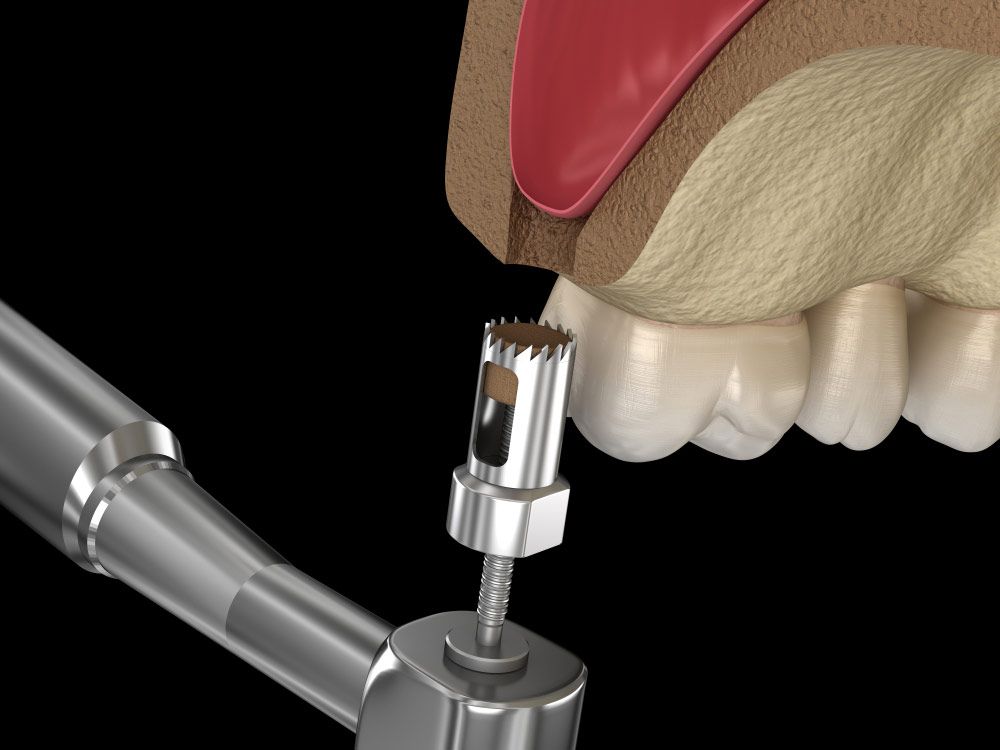
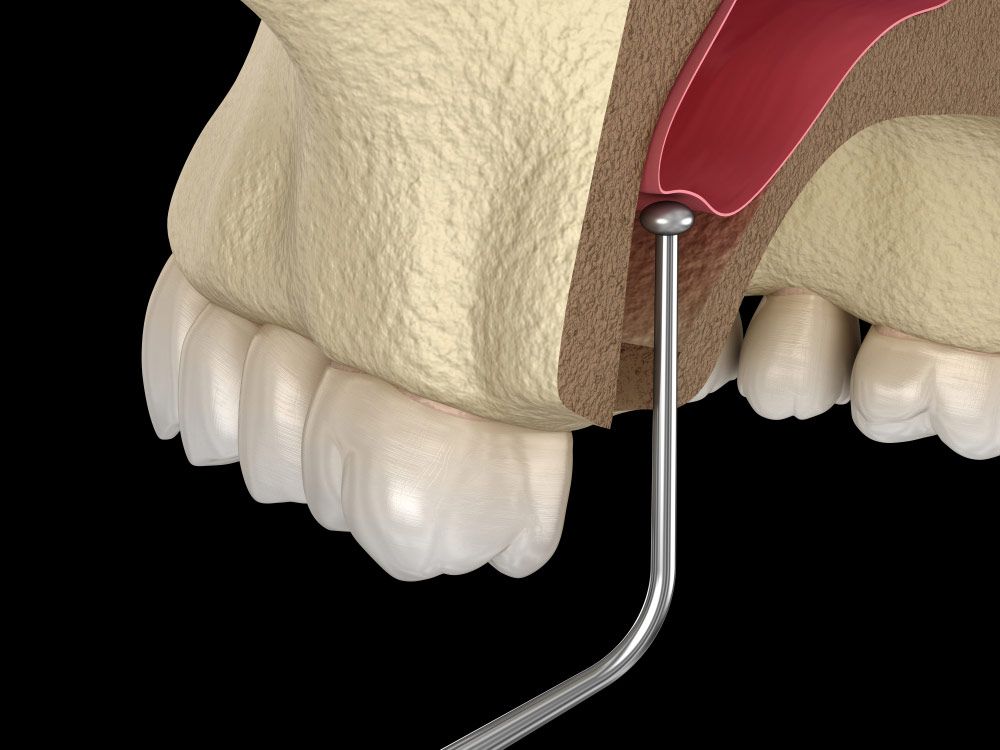
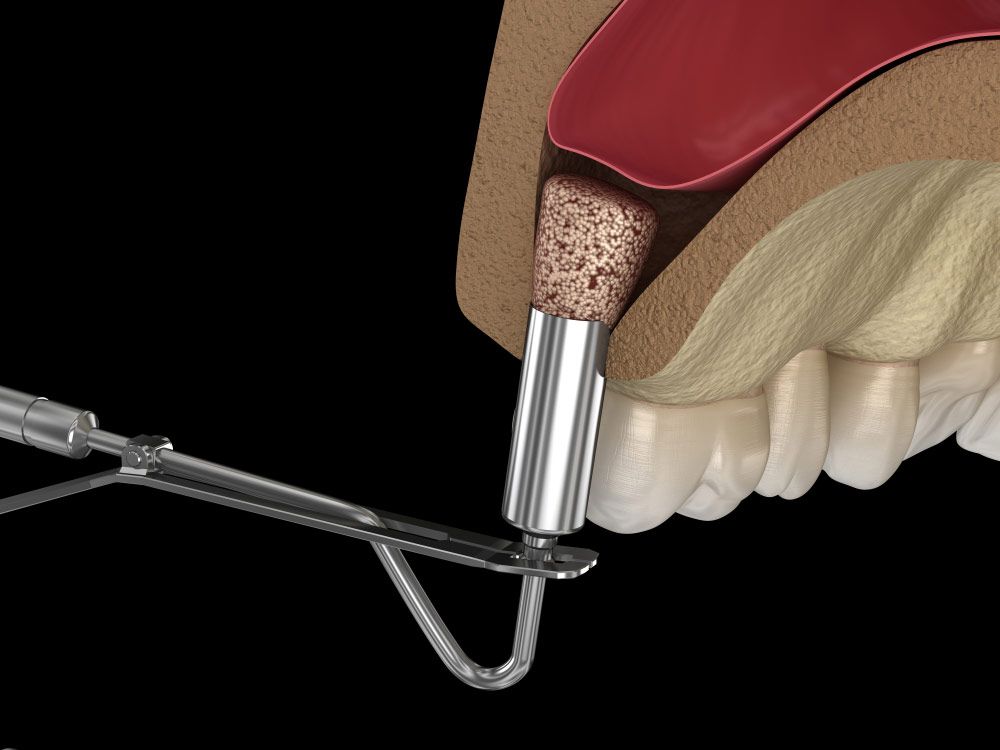
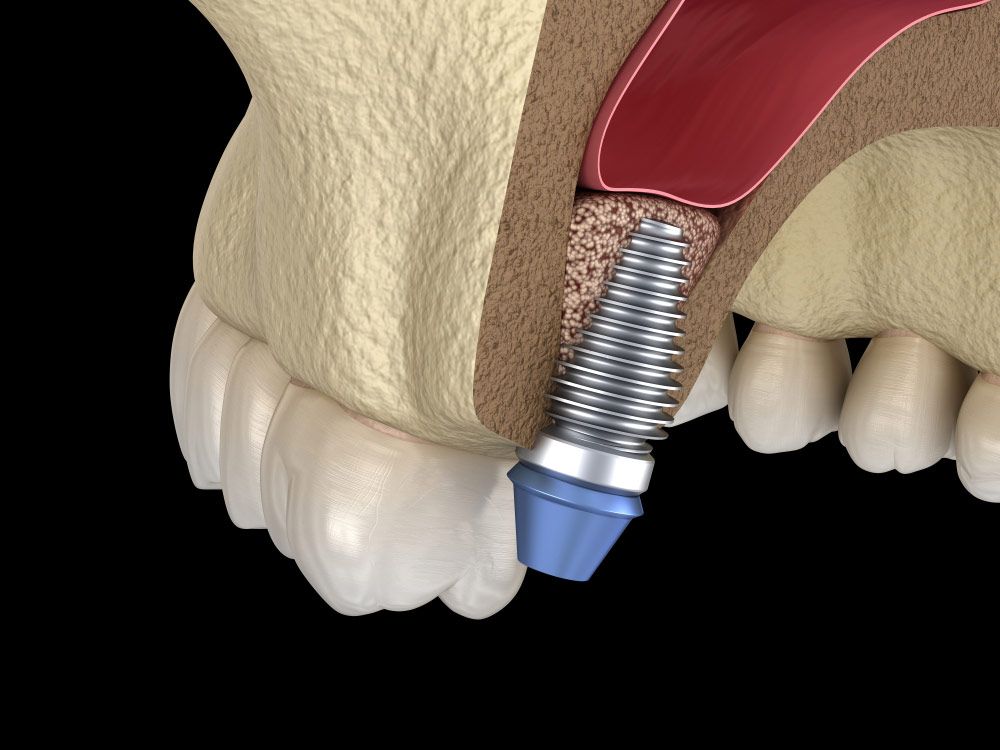
To fix this issue Dr. Kikuchi will enter the sinus from where the upper teeth used to be. The sinus membrane is then lifted upward and donor bone is inserted into the floor of the sinus. Keep in mind that the floor of the sinus is the roof of the upper jaw. After several months of healing, the bone becomes part of the patient’s jaw and dental implants can be inserted and stabilized in this new sinus bone.

Creating an Access to the Sinus
Lifting Sinus Membrane
Adding New Bone
Dental Implant Installation
 

Frequently Asked Questions

Am I a candidate for dental implants?

You may be a candidate for dental implants if you are missing one or more teeth. You’ll need a complete surgical consultation with x-rays to determine whether you are in good health and have adequate bone structure to support dental implants. In some cases where the bone is not dense enough to support an implant, surgical bone grafting may make it possible to support one in the future. It is also important to ensure you do not have any existing health conditions, such as gum disease, that could cause complications with your implants.

Dental Implant Sufficiently placed after Bone Grafting Procedure

What should I expect during a dental implant procedure?

If your oral surgeon determines that dental implants are right for you, expect the procedure to require multiple visits over the course of several months. The first treatment visit is the one when implants will be surgically placed within your jawbone. You’ll be sedated and under anesthesia during the process to ensure your comfort. Once the implants are in place, an impression will be taken and used to form crowns or dentures that will be secured to implant abutments above the gum line. The implants will need to heal for a period of 6 to 9 months before you can return to have your final crowns or dentures placed.

What should I expect during the recovery period?

Dental implant placement is a surgical procedure that requires a period of recovery. During this time, it is common to experience some swelling and soreness, as well as bleeding and minor bruising near the surgical site. Your oral surgeon will recommend eating only soft foods during the first several days following implant surgery. It is also important to follow all instructions for post-surgical care, including cleaning the surgical site and using any medications as prescribed. Be sure to contact your surgeon if you experience any fever or discomfort that worsens after a few days.

Share this post